How the Airline Industry Approaches Sustainability
IATA and its members have set an ambitious goal to achieve net zero CO2 emissions by 2050.
Our efforts do not stop here. We are also working to understand and mitigate non-CO2 emissions, reduce noise, manage waste responsibly, and combat illegal wildlife trade. To make this happen, IATA offers tools and programs to help the airline industry improve its impacts, as well as sharing best practices.
Latest Sustainability News
Working Towards Net Zero CO2 Emissions by 2050
The airline industry has set the goal to reach net zero carbon emissions by 2050. IATA is collaborating with airlines, regulators, and stakeholders across the entire air transport ecosystem to make this goal a reality.
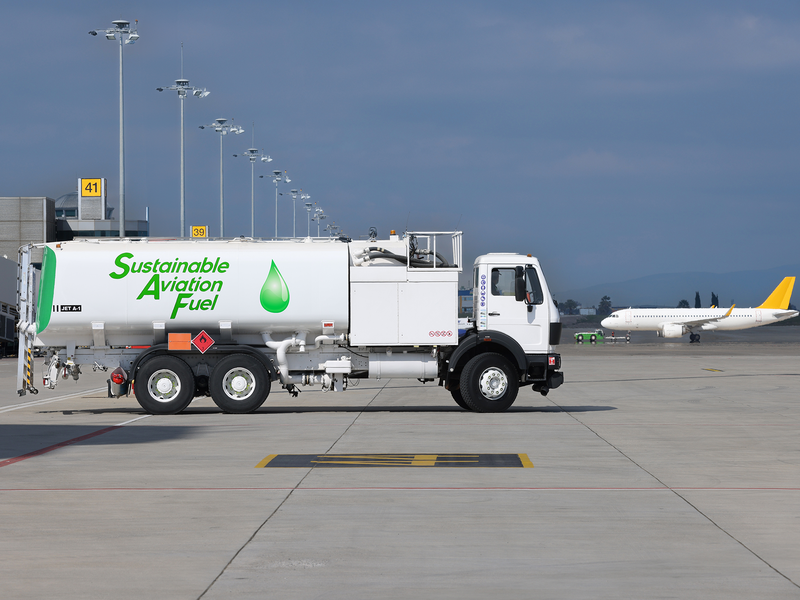
From the development of detailed roadmaps towards net zero CO2, to the deployment of Sustainable Aviation Fuel (SAF) and the implementation of CORSIA – the ICAO carbon offsetting scheme for international aviation, the industry is focused on mitigating carbon emissions.


Beyond CO2 Emissions
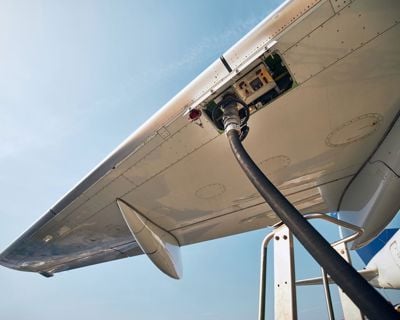
Aviation sustainability goes beyond CO2 emissions mitigation. The airline industry is working on understanding and tackling non-CO2 emissions and their effects, minimizing noise and local emissions around airports, improving cabin waste management, and combating illegal wildlife trade.




IATA Sustainability Solutions
IATA supports airlines with their efforts to improve the sustainability of their operations and assess their progress.
EcoHub - Airline Sustainability Data Management
EcoHub aims to become the single access point for airline environmental data management, reporting, and compliance.
FlyAware - IATA's Sustainability Knowledge Center
The FlyAware platform is designed to support airlines on their journey to net zero CO2 with content specifically curated for their needs.
Integrated Sustainability Program (ISP) - Environment & Sustainability Certification
The Integrated Sustainability Program (ISP) includes all certifications that help organizations enhance sustainability across their operations.
IATA Sustainability Resources
Read our latest publications and reports on sustainability, and explore more resources including fact sheets, manuals and position papers.