


Need Help?
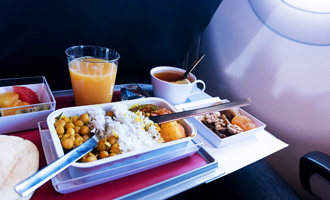
Airlines recognize the importance of reducing, reusing, and recycling cabin waste from their flight operations to reduce their environmental footprint.
Passengers are increasingly worried about the impact of single-use plastics on the marine environment, governments are focusing on minimizing food waste, and airlines are concerned that the regulatory system inhibits their ability to respond to these challenges.
In the absence of smarter regulation, cabin waste volumes could increase significantly in the coming years. IATA wants to support the simplification and harmonization of cabin waste regulations and promote technical solutions that will reduce industry costs and contribute to the circular economy. The IATA/WRAP cabin waste handbook (pdf) describes current cabin waste management and best practice.
IATA also released the Reassessing Single Use Plastic Products (SUPP) in the Airline Sector report (pdf) to assist airlines, regulators, and the airline supply chain to mitigate the environmental impacts of SUPP and develop, adapt and implement the solutions best suited to an aircraft's unique environment.
Following the recommendations found in this report, IATA has prepared the “Life cycle assessment methodology for single-use plastic products in the airline sector”. This guidance aims to provide a common methodology to support the development of consistent, robust, and comparable life cycle assessment studies to better understand the overall environmental impact of switching from single-use plastic products (SUPP) to different alternatives.
In 2023 and 2024, a trial program was undertaken at Singapore’s Changi Airport to refine the Airline Waste Analysis Methodology developed in 2013 to reflect airlines’ progress since then and continue working toward defining a standardized approach for the aviation sector. The 25 audits conducted by the Aviation Sustainability Forum (ASF) estimate that the sector generated an average of 0.94 kg of waste per passenger, which translates into 3.6 million tonnes of cabin waste in 2023. With current passenger growth rates, this waste volume is set to double by 2040. Read the new version of the Airline Waste Analysis Methodology (pdf). Please get in touch with ASF for more details on the audits.
Joint Statement
- Joint Statement - Towards Smarter Regulation of International Catering Waste in Aviation (pdf, October 2023)
Airlines magazine
- New report highlights work on single use plastics (April 2024)
- Rule changes must deliver a sustainable cabin (January 2023)
- Asymmetric regulation hampers single-use plastic replacement (July 2022)
Need Help?
Cabin waste made up of two main streams
- Cleaning Waste
Cleaning waste is leftover rubbish from items given to passengers on the aircraft such as newspapers, paper towels, plastic bottles, food dropped on the floor, amenity kits and plastic wrapping from blankets, pillows and headsets. Cleaning waste also includes the contents of washroom bins and medical waste such as used syringes. - Catering (galley) waste
Catering waste comes from inflight meals, snacks and beverages served to passengers and can consist of leftover food, drinks and packaging which is placed back in the trolleys, in static or compactor bins. This waste can contain high volumes of liquid from unconsumed beverages and ice.
Regulatory environment
All cabin waste is subject to national waste management controls that limit pollution, but many countries have gone further with their regulations, introducing restrictions on catering waste from international flights to protect their agricultural sector (in respect to animal health). Airline meals are prepared using stringent hygiene and quality control standards, originally designed for NASA astronauts, but the regulations often lead to the incineration of all cabin waste with limited ability to reuse and recycle.
> Repackaging the regulations (Airlines magazine, Feb 2020)
A case for smarter regulation
A major obstacle to airlines' ability to reuse and recycle more cabin waste is the International Catering Waste (ICW) legislation that many governments have adopted. These regulations aim to reduce the risk of transferring animal and plant diseases by requiring ICW to be subject to special treatment.
IATA commissioned a study to understand the risks posed by airline catering waste on animal health. It advocates the adoption of smarter regulation which allows recycling while maintaining animal health controls.
Read the summary and the full reports:
- Full 2024 report of International catering waste: A case for smarter regulation (pdf)
- Previous version from 2018 (pdf)
- Summary of 2018 report (pdf)
Analysis of waste composition
Because cabin waste is collected and managed by two different contractors (cleaners and caterers), undertaking a holistic cabin waste composition analysis is challenging for airlines. A standard cabin waste audit methodology was developed and tested at London's Heathrow Airport in a pilot study in 2012 and 2013. The study indicated that a typical passenger generated 1.43 kilos of cabin waste (average across both short and long-haul international flights) of which 23% was untouched food and drink and a further 17% comprised of recyclable materials (e.g. plastic bottles and newspapers). Read the executive summary of the Aircraft Cabin Waste Analysis Project Report (pdf).
Frequently Asked Questions
Is there any data on cabin waste volumes?
Very limited data exists on cabin waste volumes. Cabin waste is handled by both cleaning and catering companies who often serve multiple airlines at an airport and have no means of segregating and monitoring waste. IATA undertook a cabin waste audit at London’s Heathrow airport back in 2012 and 2013 which indicated that a typical passenger generates 1.43 kilos of cabin waste per flight. This is an average across both short and long-haul international flights from different airlines. Airlines are undertaking cabin waste audits and we are encouraging them to share the results.
How do airlines manage cabin waste?
Airlines do not collect, store or dispose of cabin waste themselves. This is performed by contractors – cleaners and caterers – on their behalf. All cabin waste is subject to national waste management controls that limit pollution, however many countries have gone further with their regulations and require catering waste from international flights to be incinerated, sterilized or subject to deep landfill burial in order to minimize risks to their agricultural sector.
What are airlines doing to reduce the cabin waste from their flights?
Airlines are initiating many waste reduction activities (including buy onboard, meal selection at check-in, inflight amenity kits on request) and recycling where regulations allow. The Aviation: Benefits Beyond Borders website highlights some of these activities.
What are the main challenges for airlines in relation to this topic?
Airlines face many challenges related to cabin waste:
- Restrictive regulations based on protection of the agricultural sector (in respect to animal health)
- Cabin waste costs are not visible in service contracts
- Lack of awareness on cabin waste volumes and composition
- Lack of airport infrastructure with cabin waste recycling facilities
- Lack of stowage onboard for segregated waste
- Complex interrelationships with key stakeholders involved including manufacturers, airports, cleaning and catering companies, waste management companies and regulators
What's IATA's role in reducing cabin waste?
IATA is sharing best practices with its airlines, catering companies, airports and regulators including guidance, recommended practices and handbooks. IATA is producing a handbook that promotes a holistic approach to cabin waste management, detailing clear and concise actions that airlines can take. IATA also commissioned a study that advocates for the adoption of smarter regulation which would allow reuse and recycling while maintaining animal health controls.
How are current regulations influencing this issue?
All cabin waste is subject to national waste management controls that limit pollution, but many countries have gone further with their regulations, introducing restrictions on catering waste from international flights to protect their agricultural sector (in respect to animal health). These restrictive legislations preclude the reuse and recycling of airline meals and cabin products from international flights. For example, many countries deem milk and dairy products served in airline meals to be of high risk which prevents disposable beverage cups from being recycled. IATA's research indicates that there is no scientific justification for these restrictive measures.
How can aviation stakeholders contribute to reducing cabin waste?
- Manufacturers need to include waste and recycling segregation as a design option included in cabin layouts
- Airports need to provide recycling facilities and infrastructure that promotes improved cabin waste performance including monitoring results and sharing cost savings
- Catering companies should ensure their facilities support reuse and recycling, including the ability to donate food and monitor results of cabin waste performance with airlines
- Cleaning contractors can implement standard operating procedures that include the segregation of reusables and recyclables
Why do animal health regulations prevent airlines from reusing and recycling cabin waste?
A significant number of countries have introduced restrictive regulations on the disposal of catering waste from international flights which mean that any reusable or recyclable products, contaminated or perceived to be contaminated, with animal products is deemed biohazardous. Many regulators and service providers deem all waste generated from an international flight to be a potential source of agricultural disease, precluding reuse and recycling. IATA is engaging with regulators around the world to educate them on industry catering procedures with an aim of promoting reuse and recycling without compromising agricultural health.
What is the main risk for animal health associated with international air travel?
Airline meals are prepared using stringent hygiene and quality control standards. Although not specifically focused on animal health, these controls minimize the spread of human diseases. Of greater concern, is the widespread concealment of animal and plant products in passenger baggage, for example, a study in Switzerland (pdf) estimated that up to 1500 tonnes of illegal bushmeat were smuggled into two international airports in one year.
How can passengers help?
Your active participation is essential:
- Don't put waste in seatback pockets
- Refuse food, beverages and inflight products that you know you won't use
- Pre-order meals where possible
- Support airline recycling initiatives onboard
- Write to your regulator
- Do not smuggle animal and plant products in your bags
Can I access data on cabin waste?
Unfortunately, IATA does not hold airline specific cabin waste data however we are urging airlines to share the data they collect both in terms of type and amount of waste but also on the costs associated with waste management.