
On an IATA webinar, Kamen Iordanov, Product Manager, Aviation Law & Travel & Tourism, IATA Training, and Vladimir Jovanovic, Business Analyst & Sales Support, Travelport+, and External IATA Instructor, explored the latest trends in travel patterns and traveler behavior. New entrants will need the right skills to keep pace with the sector’s evolution.
Air travel is growing. IATA’s long-term demand forecast suggests passenger demand will at least double by the middle of the century. There are good reasons to be confident in this growth despite the geopolitical turmoil seen throughout the world. The industry has bounced back from an almost total shut down during the pandemic and has weathered multiple previous storms from the financial crisis to volcanic eruptions. Moreover, new technologies are underpinning this hard-won resilience.
Air travel’s robustness is essential to tourism. Some 58% of international tourists travel by air, making it the backbone of long-haul tourism. Not surprisingly, growth is expected across the tourism sector: the hotel sector is forecast to grow at a compound annual growth rate (CAGR) of 7.5%, while cruises are projected to grow at a CAGR of 12.5%.
This positivity is enormously beneficial for world GDP and individual countries. According to the WTTC, in 2026 global travel and tourism will contribute some $12 trillion to the world economy, accounting for 9.9% of global GDP. Over the next decade, the sector is forecast to support almost 89 million new jobs globally, accounting for approximately one-third of all new jobs expected across the wider economy.
Alongside growth, travel and tourism are evolving. There are three key trends to note:
Regional differences are shaped by demographics, market maturity, economic development, and connectivity potential.
The number of jobs in tourism and the variety of roles are on the rise. The traditional travel agent—who largely performed a booking function—has morphed into a travel advisor, offering to inform and manage complex international travel logistics and insight into alternative vacation ideas.
This career path is listed among the fastest growing jobs by LinkedIn, but it is only one possibility in a hugely diverse sector. Consider, for example, the need for expertise in sustainability or wellbeing, two sectors expanding their influence on tourism.
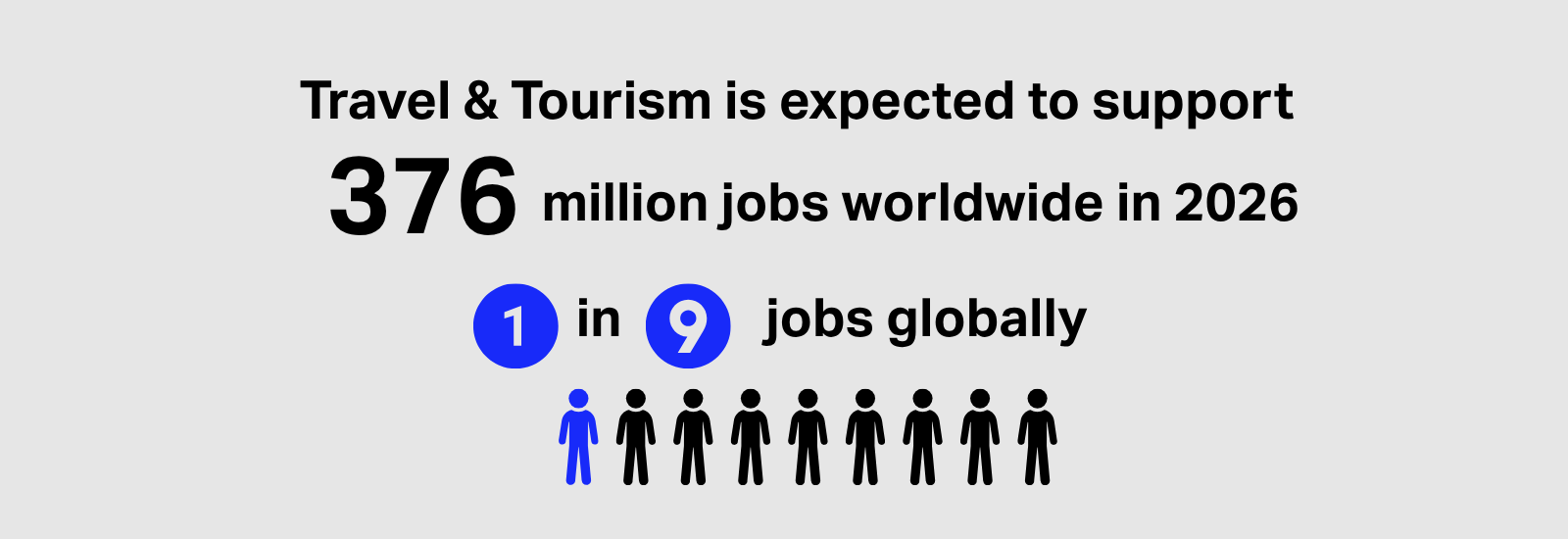
Travel and tourism success will depend on a combination of old and new capabilities in its workforce. Customer service and communication remain foundational, but these must be supported by an emerging range of skills. These can be explained through the three key trends highlighted above.
New skills in sustainability
Careers in this field will involve knowledge of the ecological impact of travel and the ability to design and promote eco-friendly, carbon-conscious itineraries. Cultural sensitivity also comes under this heading. Professionals will need to be deeply respectful of local heritages and ensure their longevity for future generations.
New skills in technology
Digital skills are essential to utilize and manipulate AI tools to build tours, book hotels, seamlessly manage potential disruptions, and analyze booking trends. The latter, for example, will require data scientists to interpret consumer behavior and personalize marketing strategies. Demand has shifted toward highly consultative roles, requiring human and digital skills to build complex, customized travel experiences.
We shouldn’t be afraid of technology, we should embrace it. It will enable us to adapt and follow the trends in the industry
New skills in experiences
The move toward a memorable experience rather than a checklist of tourist sites promotes the value of emotional intelligence, empathy, and active listening. Wellness travel is a case in point as the skills required go beyond traditional customer service to involve a bespoke understanding of client needs.
Interestingly, travelers are also booking trips around specific interests, such as concerts, sporting tournaments, or visiting film and TV locations. This trend again moves into detailed knowledge not usually associated with tourism professionals.
In Namibia, community-owned conservancies manage over 40% of the country's conservation land.4 Local residents receive direct shares of tourism revenue and employment as guides and anti-poaching rangers. “If we want to put up 10 rooms, we have to lease 7,000 acres of community habitat, and the business has to pay to lease it and pay to manage that conservancy,”5 says Mohanjeet Brar, Managing Director of Gamewatchers Safaris and Porini Camps.
Where can you learn these skills?
IATA’s Travel and Tourism training portfolio! There are three key courses that kickstart a career in this highly challenging but growing business.
For many students, the journey starts locally through one of IATA’s Authorized Training Centers. These institutions provide structured programs, hands-on learning environments, and connections to the industry, acting as a bridge between education and employment.
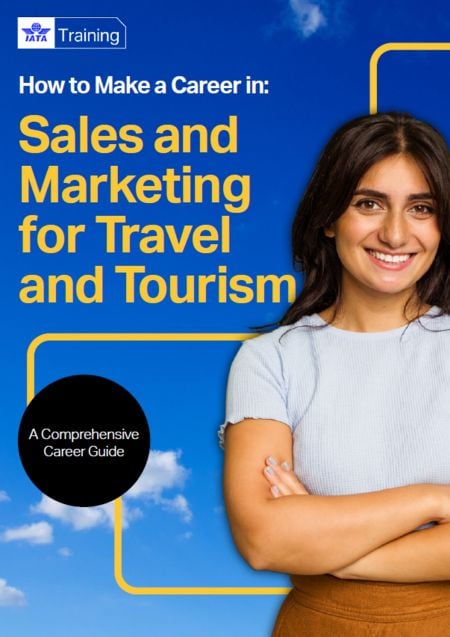
IATA’s new comprehensive guide provides detailed coverage and crucial insights on building a successful career in the sector. It explores three key career paths across airlines, travel agencies and destination marketing. You’ll learn what each path involves, how roles evolve over time, and which skills help you progress from entry-level to more strategic positions.
Whether you’re exploring the industry or aiming to grow within it, this guide helps you understand where you can go next — and how to get there.


