


Passenger baggage rules define the framework under which baggage is accepted, screened, transported, and transferred within the air transport system. They support safety, security, regulatory compliance, and operational consistency across the global baggage journey.
IATA develops internationally recognized baggage rules and standards to support airlines, airports, ground handling service providers, and regulators in the safe and efficient management of passenger baggage.
Baggage allowances and conditions of carriage remain airline specific.
Baggage Acceptance
Baggage acceptance defines the conditions under which baggage may be accepted for carriage. Airline conditions of carriage always apply.
Carry-on Baggage
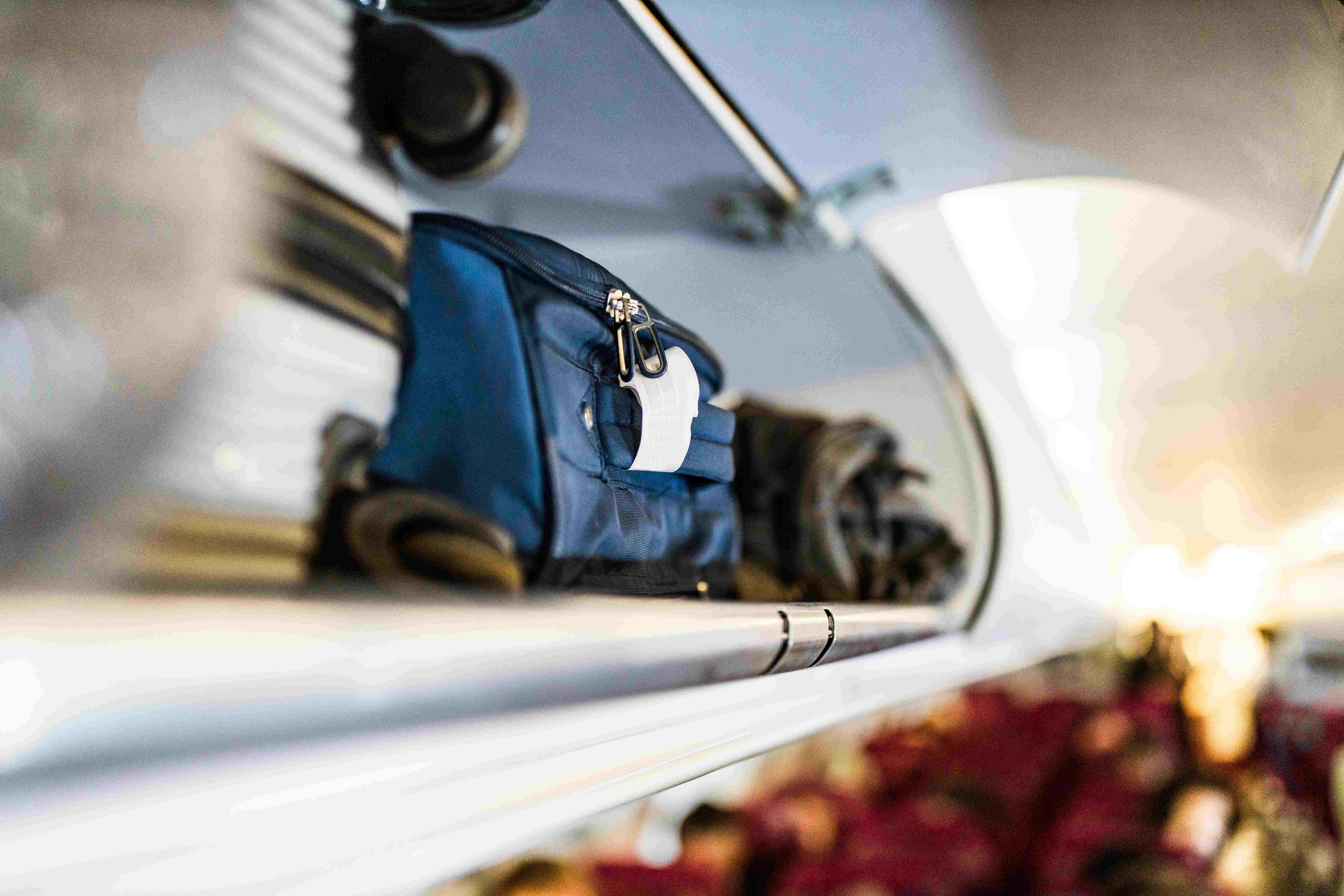
Carry-on baggage allowances may vary by airline, cabin class, and aircraft type. As a general reference, many airlines apply maximum carry-on baggage dimensions of 56 × 45 × 25 cm (22 × 18 × 10 in), including wheels and handles. Some airlines also apply weight limits, typically starting at 5 kg (11 lb). Items exceeding applicable limits may be placed in the aircraft hold.
For safety and operational reasons, carry-on baggage must be stowed under the seat in front of the passenger or in overhead compartments. Where no seat is located in front of the passenger, or where seating restrictions apply (such as exit rows), baggage must be placed in overhead compartments. To use overhead compartment more efficiently, please read our guidance for storing wheeled bags safety (pdf).
If cabin stowage capacity is exceeded, carry-on baggage may be removed at the gate and loaded into the hold.
Checked Baggage
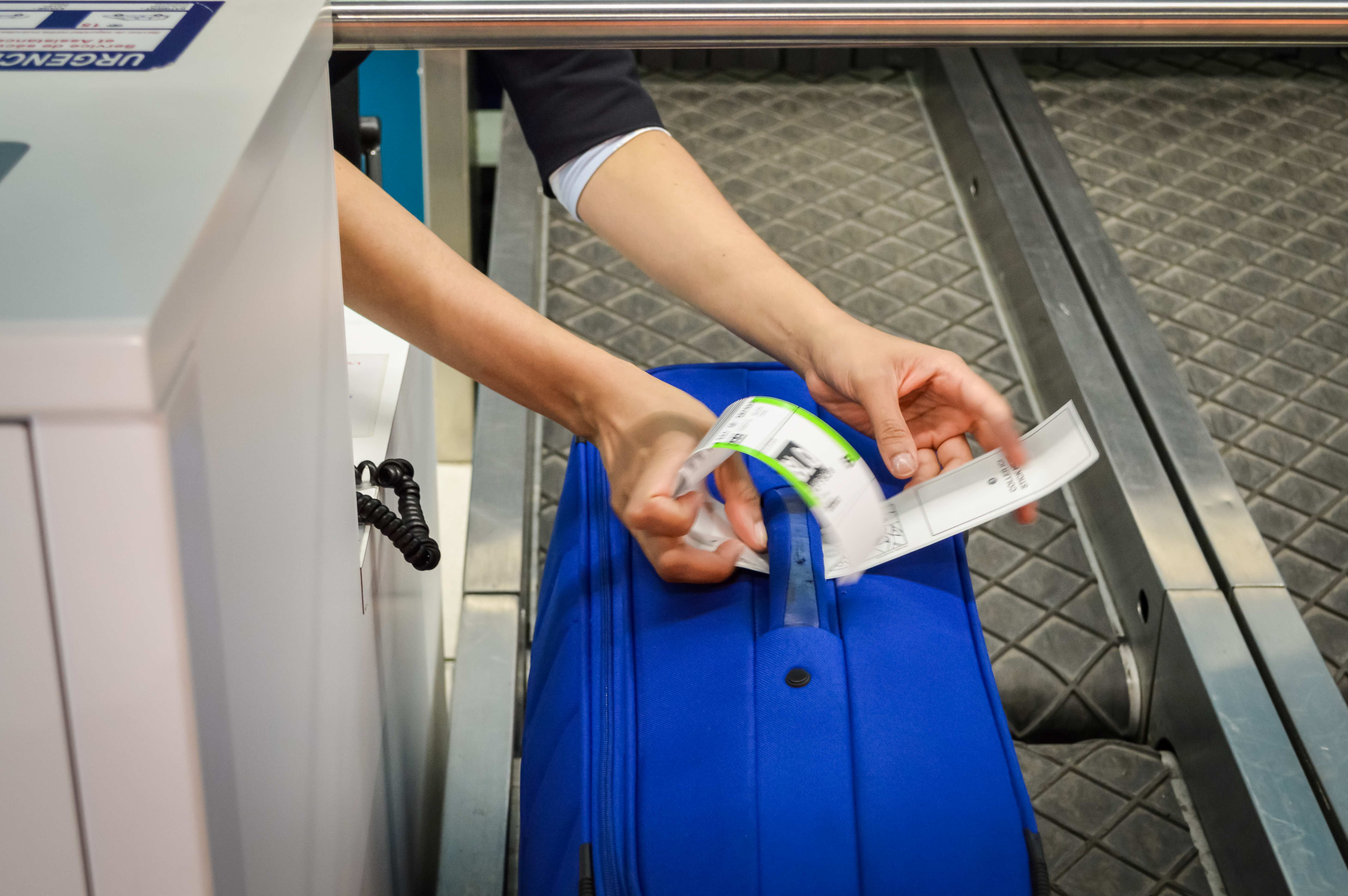
Checked baggage allowances vary by airline and route. From an occupational health and safety perspective, international guidelines recommend individual checked bags should not exceed 23 kg (50 lb). The maximum permitted weight for a single checked bag is 32 kg (70 lb) in many regions, including the EU and the United States.
On certain routes, particularly flights within, to or from the United States and Canada, baggage entitlements are commonly defined using the piece concept, specifying the number of checked bags permitted as well as maximum weight and size. Where applied, a common maximum dimension is 158 cm (62 in) (length + width + height).
Baggage identification supports traceability. Passengers are encouraged to ensure checked baggage includes external identification and that additional identification is placed inside the bag. Valuable or irreplaceable items should not be placed in checked baggage.
Restrictions and Screening
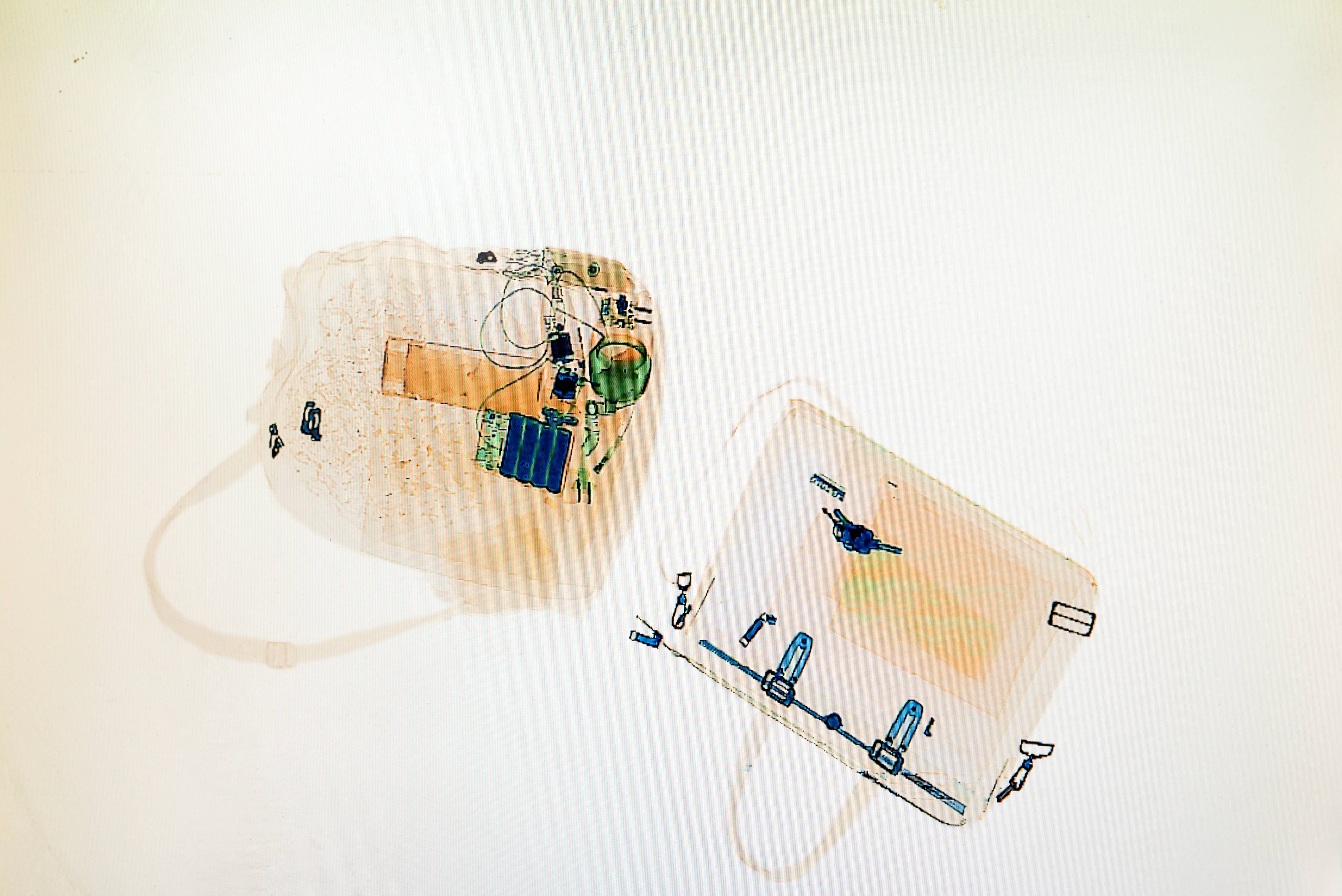
Passenger baggage rules reflect international safety and security requirements. Certain items are prohibited or restricted in passenger baggage, and all baggage is subject to security screening in accordance with applicable national regulations.
Lithium batteries and portable electronic devices require specific handling due to fire risk. Spare batteries, power banks, and electronic cigarettes/vapes must be carried in carry-on baggage. Spare batteries must be individually protected to prevent short circuits. Where electronic devices are placed in checked baggage, they must be fully switched off.
To help travelers understand and follow these safety requirements, IATA has launched the Safe Travel with Lithium Batteries campaign, raising awareness of the safety rules.
> Read our detailed guidance for using electronic devices safely onboard (pdf)
Sharp objects and cutting implements are not permitted in carry-on baggage and must be packed in checked baggage.
Security regulations also restrict liquids, aerosols, and gels in carry-on baggage. In many countries, containers must not exceed 100 ml, must be placed in a transparent resealable plastic bag, and the bag must not exceed 1 liter. At screening, the bag is presented separately. Medications, baby food, and items for special dietary requirements are generally exempt. Some airports apply additional screening to powders above 355 ml (12 oz).
Passengers carrying medical supplies such as syringes should provide documented proof of medical need. Items should be professionally packed and labeled to reduce the likelihood of removal during screening.
For additional details on items that may not be carried, airlines may refer passengers to Dangerous Goods requirements and applicable security rules.
Mishandled Baggage
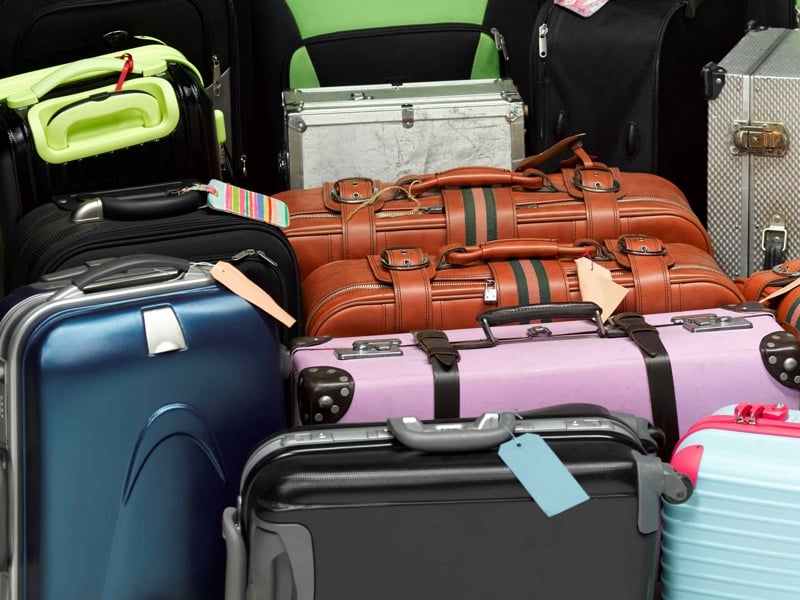
The vast majority of passenger baggage travels as planned. Globally, 99.5% of baggage arrives with the passenger, and most bags that are mishandled are returned within 48 hours.
Mishandling most commonly occurs at transfer points when connection times are limited or during operational disruption. Air traffic congestion can also affect the ability to transfer baggage between flights within the time available.
If a checked bag is not delivered at baggage reclaim, passengers should file a missing bag report in the baggage reclaim area before leaving the airport.