
Aviation operations are often judged by what happens in the air, but performance is built on the ground. For Abdulaziz Altalhi, that reality shaped his entire career. He began in hands-on operational roles, working directly on the ramp and in passenger and baggage handling at a major hub. The work was fast-paced and unforgiving. Delays, miscommunication, or small inefficiencies could quickly escalate into larger operational issues.
Those early years built more than technical knowledge. They gave him a deep appreciation for the people, processes, and split-second decisions that keep aviation moving safely and efficiently every day. As he moved into roles focused on ground handling contracts and international coordination, his perspective began to shift. The work was no longer only about executing operations, but about influencing how those operations were delivered across multiple stations, vendors, and environments. Today, as Airside Readiness Assurance Manager at MATARAT Holding in Saudi Arabia, he operates at a network level, working across multiple airports and collaborating with airlines, airport operators, regulators, and other stakeholders to ensure operational readiness, performance, compliance, and continuous improvement.
One of the defining challenges in ground and cargo operations is that much of the work is delivered through third parties. Service providers, handling agents, and station teams all play a role. Each operates within its own context, yet all are expected to meet the same standards.
As Abdulaziz took on more responsibility, this became a central focus. Ensuring consistency across stations meant more than setting expectations. It required clear frameworks, measurable performance indicators, and the ability to translate global standards into local execution.
At the same time, the operational environment continued to evolve. Regulatory requirements, audit expectations, and efficiency targets all increased. Managing contracts, service level agreements, and compliance requirements became just as critical as managing operations themselves. The question was no longer how to run operations effectively, but how to make them repeatable, scalable, and aligned across a global network.
“In aviation, every new responsibility brings new complexity. Continuous learning is what turns experience into expertise and allows you to grow with the industry.” - Abdulaziz Altalhi, Airside Readiness Assurance Manager, MATARAT Holding, KSA
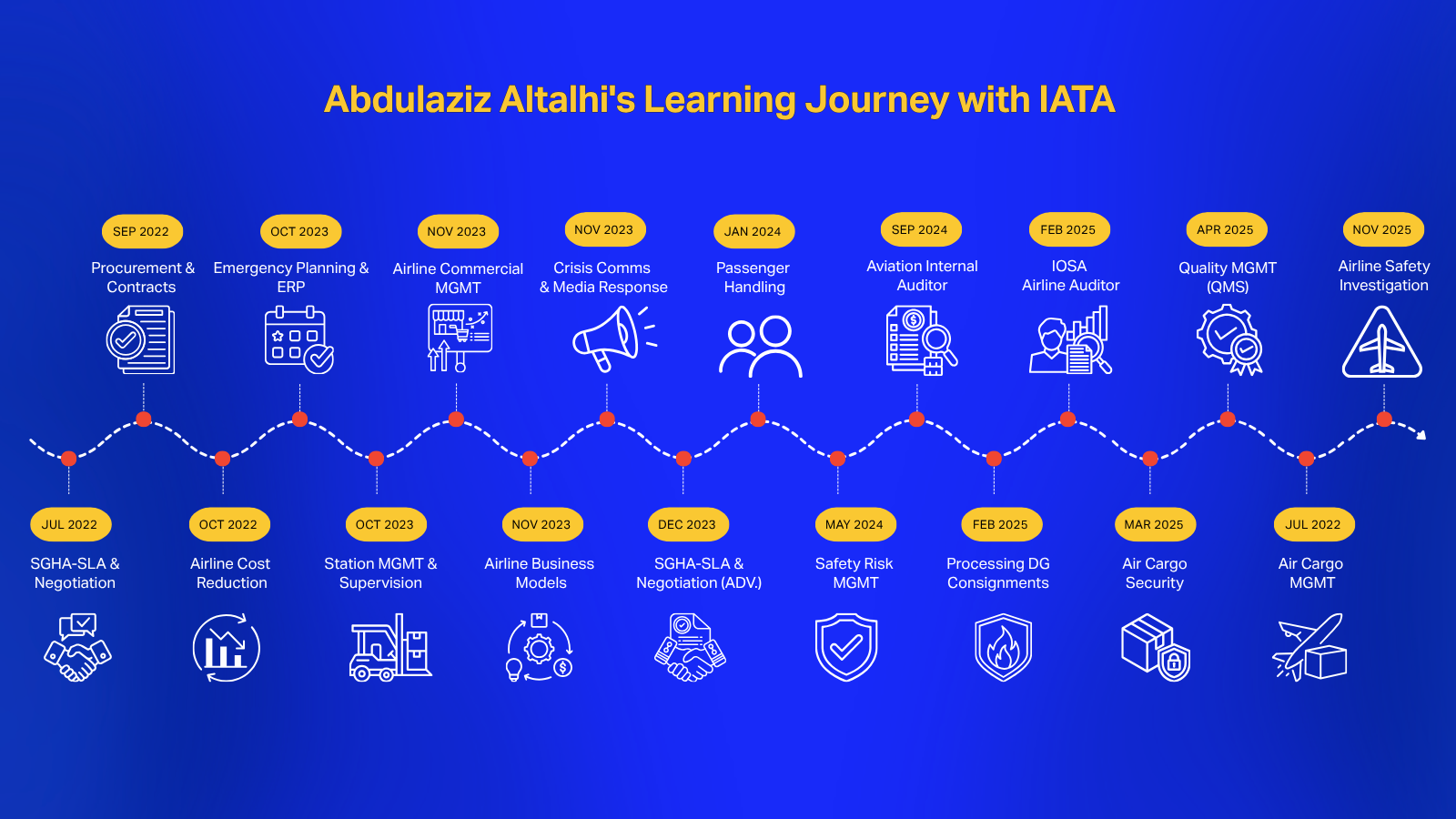
To meet these challenges, Abdulaziz made a deliberate decision early in his career to invest in structured learning. Over time, he completed more than 20 IATA training programs and earned three professional diplomas:
Alongside these programs, he also pursued specialized courses in areas such as Air Cargo & Supply Chain Security, International Negotiation Skills, and Procurement & Contracts Management, subjects that closely aligned with his growing responsibilities in vendor management, international station coordination, and operational governance.
For Abdulaziz, training was never about collecting certificates. Each course came at a different stage of his career and helped him address increasingly complex challenges.
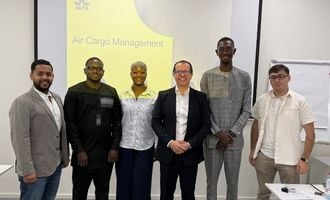
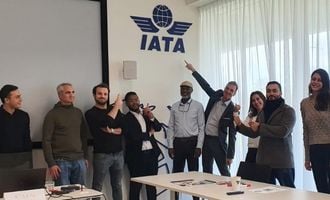
Early in his career, the training helped him understand why operational procedures existed and how different functions across an airline work together to deliver safe and efficient operations. As he moved into procurement and ground handling contract management, the learning became more practical. Concepts from IATA's frameworks helped him structure service agreements, negotiate more effectively, define meaningful performance indicators, and manage supplier relationships across international stations.
Later, as he progressed into leadership roles overseeing cargo and ULD ground operations, the same knowledge allowed him to step back from individual operational issues and view the network as an interconnected system. Decisions became less reactive and more consistent, supported by established methodologies and industry best practices.
The biggest shift was not simply gaining new knowledge. It was developing the confidence and perspective to manage increasingly complex operations with greater structure and consistency.
Today, Abdulaziz's work sits at the intersection of airport readiness, operational performance, and governance. His role requires him to coordinate across multiple stakeholders and ensure that airports are operationally prepared, compliant, and continuously improving. The impact of his learning is most visible in how he approaches complexity.
Years of operational experience taught him how the system behaves under pressure. Structured training gave him the tools to standardize, govern, and continuously improve it.
Service providers are no longer evaluated solely on outcomes, but against clearly defined expectations aligned with industry standards. Contracts are designed with a stronger link to operational performance, while SLA monitoring has become a tool for driving continuous improvement rather than simply reporting results.
This structured approach has helped him strengthen consistency across stations, improve collaboration with international service providers, and support initiatives that enhanced cargo handling performance and operational readiness. It has also reinforced the importance of building systems that are audit-ready by design, whether supporting IOSA requirements, maintaining ISO standards, or managing operational compliance across a growing network.
For Abdulaziz, the greatest impact of continuous learning has been the ability to move from executing operations to shaping how they are delivered across an international network.
The combination of operational experience and structured training has enabled him to:
Throughout his career, this growing expertise has supported his progression from supervising aircraft turnaround activities on the ramp, to leading cargo and ULD ground operations across an international station network, and now into a strategic role overseeing airside readiness assurance across multiple airports in Saudi Arabia.
For Abdulaziz, professional development has not simply been about learning new concepts—it has been about continuously expanding his ability to create structure, drive performance, and influence operational excellence on a larger scale.
“Each course helped me see operations differently, not as individual tasks, but as connected systems that can be improved, standardized, and led more effectively.” - Abdulaziz Altalhi, Airside Readiness Assurance Manager, MATARAT Holding, KSA
Training has never been separate from the job. It has been part of how the job evolves. Each stage of Abdulaziz’s career required a deeper level of understanding. Each new responsibility introduced a new layer of complexity. Continuous learning provided a way for specialists like Abdulaziz to keep pace with that progression.
The value of IATA Training was not limited to individual courses. It came from building a structured, cumulative understanding of the industry and applying it in real operational contexts. The combination of experience and structured knowledge is what enables aviation professionals like Abdulaziz to move from executing operations, to leading them, and ultimately to shaping how entire aviation systems prepare, perform, and continuously improve.

Abdulaziz Altalhi is Airside Readiness Assurance Manager at MATARAT Holding in Saudi Arabia, with over a decade of experience across ground handling, cargo logistics, and operational management.
He has progressed from frontline operational roles to leading network-level performance, with expertise in vendor management, SLA implementation, IOSA and ISO compliance, and operational governance.


 My Training Account